Personal Growth
9 Minute
Perimenopause vs. Menopause: A Salon-Chair Guide to What’s Actually Happening


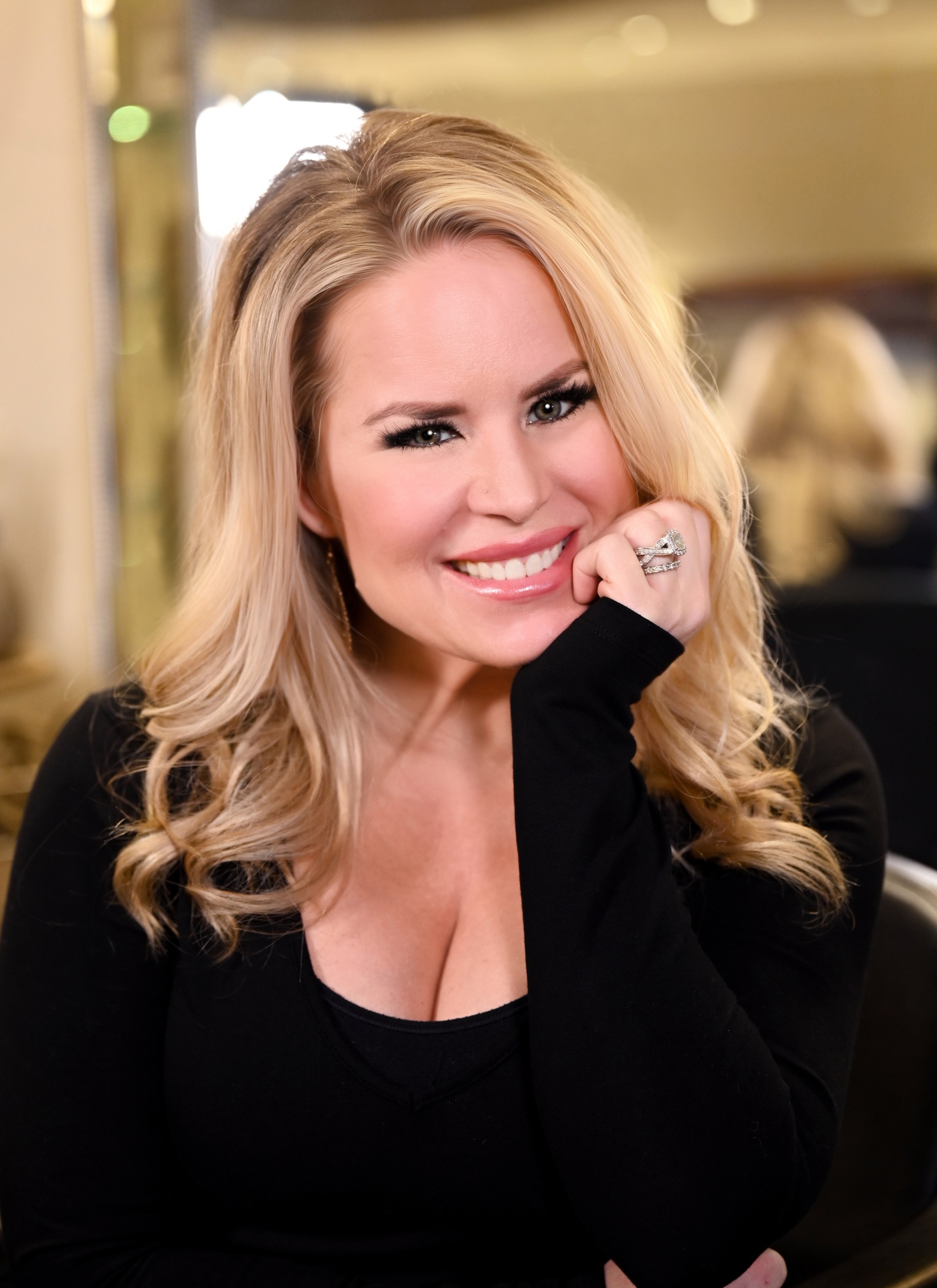
Some version of the same question comes up in Janelle Alexis’s Houston salon chair every week: “Am I in menopause, or am I losing my mind?” Often the answer is that you might be in perimenopause, and almost nobody explains the difference. Here’s a plain-English overview inspired by MENO POSSE. (This is general information, not medical advice. Take your questions to a qualified provider.)
The quick answer
Perimenopause is the transition: the years when your hormones start fluctuating and your periods become irregular. Menopause is a single point in time, officially reached after 12 months in a row without a period. Everything after that is postmenopause.
When does it start?
In the US, the average age of menopause is around 51 to 52. Perimenopause often begins in your 40s, sometimes earlier, and it can last anywhere from a few years to a decade. That’s a long time to feel like a stranger in your own body without a map.
Signs women describe in the salon chair
- Periods that are suddenly closer together, further apart, heavier or lighter
- Hot flashes and night sweats
- Trouble sleeping, or waking at 3 a.m. wide awake
- Mood swings, irritability or rage that feels out of character
- Brain fog and forgetfulness
- Changes in hair texture, thinning, dryness, and yes, new chin hairs
- Vaginal dryness and changes in libido
- Joint aches and changes in where your body holds weight
Not every woman gets every symptom, and many of these can have other causes too, which is exactly why a real conversation with a provider matters.
What your hair is telling you
As a colorist, Janelle often sees hormonal shifts show up in hair before clients connect the dots. Falling estrogen can leave hair finer, drier and slower to grow, and color may take or fade differently. Gentle shampoos, regular conditioning, less heat and a stylist who adjusts your color formula can make a real difference. If shedding is sudden or significant, get it checked out medically.
Questions to bring to your doctor
- Could my symptoms be perimenopause, and what else should we rule out?
- What are my options for hot flashes, sleep and mood, both hormonal and non-hormonal?
- Is hormone therapy appropriate for me, given my personal and family history?
- What should I be doing now for bone and heart health?
- If you don’t focus on menopause care, who do you recommend?
Look for a clinician with menopause-specific training. The Menopause Society (formerly NAMS) maintains a directory of practitioners, and finding one is one of the best investments you’ll make in your 40s and 50s.
You’re not crazy. You’re in transition.
The most common thing Janelle hears is “I thought it was just me.” It’s not. Find your provider, find your posse, and give yourself a lot more grace than you’re giving yourself right now.
Get MENO POSSE: Amazon paperback · Kindle · Barnes & Noble · Apple Books · More about the book
Tagged with :